Welcome to a journey of exploration beyond the conventional boundaries of finance as we delve into lesser-known territories and unconventional practices within the realm of money management. In this article, we will uncover various innovative strategies, emerging trends, and alternative approaches that are reshaping the financial landscape. Join us as we challenge the status quo and push the limits of traditional finance to discover new opportunities and possibilities for growth and prosperity.
Integrating Technology and Finance
When it comes to the world of finance, technology plays a crucial role in streamlining processes and enhancing efficiency. From mobile banking apps to artificial intelligence, the use of technology in finance has revolutionized the way we manage our finances. In today’s digital age, it is essential for financial institutions to integrate technology into their operations in order to stay competitive and meet the evolving needs of customers.
One of the ways in which technology is being integrated into the finance domain is through the use of blockchain technology. Blockchain, the technology behind cryptocurrencies like Bitcoin, has the potential to transform the way financial transactions are conducted. By utilizing blockchain technology, financial institutions can improve security, transparency, and efficiency in their operations. Blockchain also has the potential to reduce costs associated with traditional banking processes, such as cross-border payments.
Another way in which technology is being integrated into finance is through the use of artificial intelligence (AI) and machine learning. These technologies have the ability to analyze vast amounts of data in real-time, enabling financial institutions to make informed decisions quickly. AI can be used to detect fraud, automate customer service interactions, and provide personalized investment advice. Machine learning algorithms can also be used to predict market trends and optimize trading strategies.
Furthermore, the rise of mobile banking apps has made it easier than ever for individuals to manage their finances on the go. These apps allow users to check their account balances, transfer funds, pay bills, and even invest in stocks from their smartphones. The convenience of mobile banking apps has revolutionized the way people interact with their finances, making it easier for individuals to stay on top of their financial goals.
Additionally, the use of big data analytics in finance has enabled financial institutions to gain valuable insights into customer behavior and market trends. By analyzing data from various sources, financial institutions can better understand their customers’ needs and preferences, leading to improved products and services. Big data analytics can also be used to detect patterns and trends in financial markets, helping institutions make more accurate predictions and informed decisions.
In conclusion, the integration of technology into the finance domain has transformed the way financial institutions operate and interact with customers. From blockchain technology to artificial intelligence, the use of technology in finance has led to increased efficiency, improved security, and enhanced customer experiences. As technology continues to evolve, it is crucial for financial institutions to stay ahead of the curve and embrace innovative technologies in order to remain competitive in today’s digital landscape.
Impact of Globalization on Finance
Globalization has had a significant impact on the finance industry, transforming the way financial institutions operate and expanding their reach beyond borders. The interconnectedness of the global economy has brought about new opportunities and challenges for finance professionals, requiring them to adapt to a rapidly changing landscape.
One of the key ways in which globalization has influenced the finance domain is through the increased interconnectedness of financial markets. Gone are the days when financial transactions were confined within national borders. Today, thanks to advancements in technology and communication, financial transactions can be completed instantaneously across the globe. This has led to the rise of global financial institutions that operate in multiple countries and currencies, offering a wide range of financial products and services to clients worldwide.
In addition to the proliferation of global financial institutions, globalization has also facilitated the flow of capital across borders. Investors now have the ability to diversify their portfolios by investing in assets from different countries, mitigating risks and maximizing returns. This has led to the growth of international financial markets, such as the foreign exchange market, where currencies are traded 24 hours a day, five days a week.
Furthermore, globalization has spurred the growth of international trade and investment, leading to a surge in cross-border transactions. Companies are now able to expand their operations into new markets, tapping into a global customer base and sourcing materials from different countries. This has created new opportunities for finance professionals to develop expertise in international finance, risk management, and regulatory compliance.
Despite the many benefits of globalization on the finance domain, it has also brought about challenges that need to be addressed. One of the key challenges is the increased risk of financial contagion, where shocks in one part of the world can quickly spread to other regions. This was evident during the 2008 global financial crisis, which originated in the United States but had far-reaching effects on financial markets worldwide.
Moreover, globalization has also raised concerns about economic inequality and social injustice, as wealth becomes concentrated in the hands of a few global elites. This calls for greater transparency and accountability in the finance industry, as well as policies that promote inclusive growth and sustainable development.
In conclusion, the impact of globalization on the finance domain cannot be underestimated. It has transformed the way financial institutions operate, expanding their reach beyond borders and creating new opportunities for growth and innovation. However, it has also brought about challenges that need to be addressed to ensure a more inclusive and sustainable financial system for all.
The Evolution of Alternative Financing
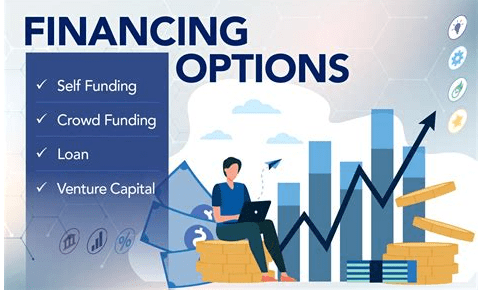
Alternative financing has significantly evolved over the years, providing businesses with new and innovative ways to secure funding outside of traditional banking institutions. One of the major developments in the alternative financing landscape is the rise of peer-to-peer lending platforms. These platforms connect individual investors with borrowers, allowing them to bypass the traditional banking system and negotiate terms directly. This has opened up new opportunities for small businesses and startups who may have struggled to secure financing through traditional channels.
Another key evolution in alternative financing is the emergence of crowdfunding platforms. These platforms enable businesses to raise capital by reaching out to a large number of individual investors, often in exchange for equity in the company or other rewards. Crowdfunding has become a popular option for early-stage startups looking to validate their business idea and secure funding without taking on debt.
One of the most recent developments in alternative financing is the rise of blockchain technology and cryptocurrency. Blockchain technology has enabled the creation of decentralized finance (DeFi) platforms, which allow individuals to borrow, lend, and trade assets without the need for intermediaries such as banks. Cryptocurrencies like Bitcoin and Ethereum have also become popular tools for fundraising, with initial coin offerings (ICOs) and token sales providing a new way for businesses to raise capital.
Overall, the evolution of alternative financing has democratized the funding landscape, giving businesses of all sizes access to a wide range of funding options outside of traditional banking institutions. With the continued advancement of technology and the increasing acceptance of alternative financing methods, the future looks bright for businesses seeking to secure funding in non-traditional ways.
The Role of Corporate Social Responsibility in Finance
Corporate Social Responsibility (CSR) plays a significant role in the finance sector, as it involves integrating social and environmental concerns into business operations and interactions with stakeholders. In recent years, there has been a growing emphasis on the importance of CSR in finance, as companies are expected to not only make profits but also contribute positively to society and the environment.
One way in which CSR is influencing the finance sector is through sustainable investing. Investors are increasingly looking to support companies that demonstrate a commitment to environmental and social responsibility. This has led to the rise of socially responsible investing (SRI) and impact investing, which consider both financial returns and the social or environmental impact of investments.
Additionally, the role of CSR in finance can be seen in the increasing focus on ethical banking and sustainable finance. Many banks and financial institutions are incorporating CSR principles into their operations by offering products and services that support sustainable development, such as green bonds or microfinance initiatives. By aligning their business practices with societal and environmental goals, these institutions are able to attract customers who prioritize ethical and sustainable practices.
Furthermore, CSR in finance can also be demonstrated through philanthropic efforts and community engagement. Many financial companies engage in charitable activities and volunteer programs to give back to the communities in which they operate. By supporting local initiatives and causes, these companies are able to make a positive impact beyond their financial contributions.
Overall, the role of Corporate Social Responsibility in finance is essential for creating a more sustainable and socially conscious financial industry. By integrating CSR principles into their operations, financial companies can not only improve their public image but also contribute to positive societal and environmental outcomes. As consumers and investors continue to prioritize ethical and sustainable practices, the importance of CSR in finance will only continue to grow.
Trends in Sustainable Investing
Sustainable investing, also known as socially responsible investing, has been gaining momentum in the finance world. Investors are becoming more conscious of the impact their money can have on the environment and society, leading to a shift towards sustainable investment options. Here are some key trends in sustainable investing:
1. ESG Integration: One of the biggest trends in sustainable investing is the integration of environmental, social, and governance (ESG) factors into investment decisions. Companies are being evaluated not only based on their financial performance but also on how well they manage their environmental and social impacts. This holistic approach to investing ensures that investors are supporting companies that are making a positive impact on the world.
2. Impact Investing: Another trend in sustainable investing is impact investing, which involves investing in companies or projects that aim to generate a measurable, positive impact on society or the environment. Impact investors look for opportunities to create positive change while also earning a financial return. This trend is attracting a new generation of investors who want their money to make a difference.
3. Green Bonds: Green bonds have become increasingly popular in the sustainable investing space. These bonds are issued to finance projects with environmental benefits, such as renewable energy or energy efficiency initiatives. By investing in green bonds, investors can support sustainable projects while earning a fixed income return.
4. Shareholder Engagement: Shareholder engagement is another important trend in sustainable investing. Investors are increasingly using their shareholder power to push companies to adopt more sustainable practices. Through proxy voting, engagement meetings, and shareholder resolutions, investors are holding companies accountable for their environmental and social impact.
5. Rise of Sustainable Indices: One of the latest trends in sustainable investing is the rise of sustainable indices. These indices track the performance of companies that meet certain ESG criteria, allowing investors to easily invest in a diversified portfolio of sustainable companies. The popularity of sustainable indices is growing as more investors seek out ways to align their values with their investment decisions.
In conclusion, sustainable investing is a rapidly evolving field with a variety of trends shaping the landscape. Investors are increasingly looking for ways to align their financial goals with their values, leading to a surge in interest in sustainable investment options. By staying informed about the latest trends in sustainable investing, investors can make informed decisions that have a positive impact on the world.
Originally posted 2025-01-29 05:37:33.