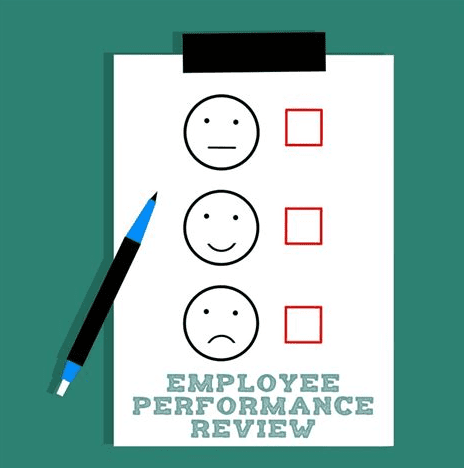
Exploring Beyond Finance: Employee Reviews and Perspectives
Welcome, reader! Today, we are delving into a topic that goes beyond the numbers and figures of finance. We are exploring employee reviews and perspectives, gaining insight into the human side of the workplace. Understanding what employees have to say about their experiences can offer valuable lessons and perspectives for both employers and fellow colleagues. So, let’s dive into the world of employee feedback and discover what lies beyond the balance sheets.
Importance of Employee Feedback
Employee feedback is an essential part of any successful organization. It provides valuable insights into the strengths and weaknesses of the company, as well as the individual employees. By gathering feedback from employees, companies can improve their overall performance, boost employee morale, and foster a culture of open communication.
One of the main benefits of employee feedback is that it allows managers to identify areas for improvement within the organization. By listening to the opinions and suggestions of their employees, managers can gain valuable insights into what is working well and what needs to be changed. This feedback can help companies to make strategic decisions that will enhance their operations and ultimately their bottom line.
Employee feedback also plays a crucial role in boosting employee morale. When employees feel that their opinions are valued and heard, they are more likely to be engaged and satisfied in their roles. This can lead to increased productivity, higher retention rates, and a more positive work environment. By providing regular opportunities for employees to share their feedback, companies can create a culture of appreciation and respect.
Furthermore, employee feedback fosters a culture of open communication within the organization. When employees feel comfortable sharing their thoughts and ideas, it creates a sense of teamwork and collaboration. This open dialogue can lead to more innovative solutions, better decision-making, and a stronger sense of unity among team members. By encouraging feedback at all levels of the organization, companies can break down silos and create a more transparent and inclusive work environment.
In conclusion, employee feedback is a vital component of a successful organization. By listening to and acting upon the feedback of their employees, companies can identify areas for improvement, boost morale, and foster a culture of open communication. Investing in employee feedback not only benefits the individual employees but also has a positive impact on the overall success and growth of the company.
Beyond Traditional Performance Appraisals
Employee reviews are an essential part of every organization’s performance management system. Traditionally, these reviews have consisted of managers evaluating employees based on set criteria, such as goals achieved, skills demonstrated, and overall performance. While this method can be effective in measuring individual contributions, it often falls short in providing a comprehensive view of an employee’s true value to the organization.
This is where beyond finance employee reviews come into play. These reviews go beyond the traditional performance appraisals by considering a wider range of factors that impact an employee’s overall performance and job satisfaction. Instead of simply focusing on the outcomes of the work done, these reviews take into account the employee’s personal growth, development, and well-being.
One of the key aspects of beyond finance employee reviews is the inclusion of feedback from multiple sources. In addition to the manager’s evaluation, feedback from peers, clients, and other stakeholders is also taken into consideration. This 360-degree feedback provides a more holistic view of an employee’s performance and helps to identify areas for improvement and growth.
Another important feature of beyond finance employee reviews is the emphasis on continuous feedback and open communication. Rather than waiting for an annual performance review, employees are encouraged to seek feedback from their managers and peers on a regular basis. This ongoing dialogue not only helps employees stay on track with their goals but also fosters a culture of transparency and collaboration within the organization.
Beyond finance employee reviews also prioritize employee development and growth. Instead of focusing solely on past performance, these reviews are forward-looking and aim to identify opportunities for skill development and career advancement. Managers work with employees to create personalized development plans that align with their career goals and aspirations.
Moreover, beyond finance employee reviews place a strong emphasis on employee well-being and work-life balance. Recognizing that employee engagement and satisfaction are closely linked to health and wellness, organizations are increasingly incorporating well-being initiatives into their performance management processes. This can include wellness programs, mental health resources, and flexible work arrangements to support employees in achieving a healthy work-life balance.
In conclusion, beyond finance employee reviews represent a shift towards a more holistic and human-centered approach to performance management. By going beyond traditional performance appraisals and considering factors such as feedback from multiple sources, continuous communication, employee development, and well-being, organizations can create a more engaging and supportive work environment that empowers employees to reach their full potential.
Impact of Employee Reviews on Organizational Success
Employee reviews play a crucial role in determining the success of an organization. These reviews provide valuable feedback to employees about their performance, helping them understand where they excel and where they need to improve. This feedback is essential for employees to grow and develop within their roles, ultimately contributing to the overall success of the organization.
Employee reviews also serve as a tool for managers to identify high-performing employees and provide them with opportunities for advancement. By recognizing and rewarding top performers, organizations can motivate their employees to continue delivering exceptional results and drive overall success.
Furthermore, employee reviews help create a culture of open communication within the organization. By giving employees a platform to share their thoughts and concerns, organizations can address any issues that may be hindering their success. This open dialogue fosters trust and collaboration among team members, leading to a more productive and successful work environment.
Perhaps most importantly, employee reviews contribute to the overall growth and success of the organization by allowing management to identify areas for improvement. By soliciting feedback from employees about their experiences, organizations can pinpoint areas that may be hindering productivity or employee satisfaction. This insight enables management to implement changes and initiatives that will ultimately drive the organization towards greater success.
In conclusion, employee reviews have a significant impact on organizational success. By providing valuable feedback, recognizing top performers, fostering open communication, and identifying areas for improvement, employee reviews play a vital role in driving the success of an organization. It is essential for organizations to prioritize employee reviews as a key component of their overall strategy for success.
Strategies for Effective Employee Performance Evaluation
Employee performance evaluations are a crucial aspect of managing a successful team. It is important to have a clear and structured approach to evaluating employee performance in order to provide constructive feedback and support their professional development. Here are some strategies for conducting effective performance evaluations:
1. Set clear expectations: Before conducting a performance evaluation, it is important to establish clear expectations with the employee. This includes defining goals, objectives, and key performance indicators that will be used to evaluate their performance. By setting clear expectations from the beginning, both the employee and the manager will have a better understanding of what is expected and how performance will be assessed.
2. Use a mix of qualitative and quantitative measures: When evaluating employee performance, it is important to consider both qualitative and quantitative measures. Qualitative measures can include feedback from peers, clients, and supervisors, while quantitative measures can include performance metrics, sales targets, and other measurable outcomes. By using a mix of both types of measures, a more comprehensive evaluation of the employee’s performance can be achieved.
3. Provide regular feedback: Employee performance evaluations should not be a one-time event. It is important to provide regular feedback to employees throughout the year in order to keep them motivated and on track towards their goals. Regular feedback can help employees understand their strengths and areas for improvement, and can ultimately lead to better performance outcomes.
4. Focus on strengths and development opportunities: When evaluating employee performance, it is important to focus on both strengths and development opportunities. Highlighting an employee’s strengths can help boost their confidence and motivation, while identifying areas for development can help them grow and improve in their role. By providing a balance of positive feedback and constructive criticism, employees will be more engaged in the evaluation process and more likely to make meaningful improvements.
Overall, effective employee performance evaluations require clear expectations, a mix of qualitative and quantitative measures, regular feedback, and a focus on strengths and development opportunities. By following these strategies, managers can conduct performance evaluations that are meaningful, constructive, and ultimately lead to improved employee performance and job satisfaction.
Leveraging Employee Feedback for Growth and Development
Employee feedback is a valuable tool for organizations to use in order to foster growth and development among their workforce. By listening to what employees have to say, companies can gain insight into what is working well and what can be improved upon. This feedback can be instrumental in shaping employee development programs, setting goals for individual and team growth, and ultimately driving success within the organization.
One way that companies can leverage employee feedback for growth and development is through the use of regular performance reviews. These reviews provide a formal opportunity for employees to share their thoughts on their roles, responsibilities, and goals. By taking the time to listen to what employees have to say during these reviews, managers can gain a better understanding of where their employees excel and where they may need additional support or training.
Performance reviews can also provide a platform for employees to discuss their career aspirations and goals. By understanding what motivates and inspires their team members, managers can tailor development plans to help employees reach their full potential. This not only benefits the individual employee, but also contributes to the overall success of the organization.
Another way that companies can leverage employee feedback for growth and development is through the implementation of 360-degree feedback mechanisms. This type of feedback involves soliciting input from an employee’s peers, subordinates, and supervisors in addition to their own self-assessment. By gathering feedback from multiple sources, companies can gain a more well-rounded picture of an employee’s strengths and areas for improvement.
360-degree feedback can be an invaluable tool for identifying blind spots and opportunities for growth that may not have been apparent through traditional performance reviews alone. By receiving feedback from a variety of sources, employees can gain a more comprehensive understanding of how they are perceived within the organization and where they can focus their efforts for personal and professional development.
It is important for companies to not only solicit employee feedback, but also to take action on the insights they receive. By actively responding to feedback and implementing changes based on employee input, organizations can demonstrate their commitment to fostering a culture of growth and development. This not only increases employee engagement and satisfaction, but also contributes to the overall success of the organization.
Originally posted 2025-01-29 03:31:29.