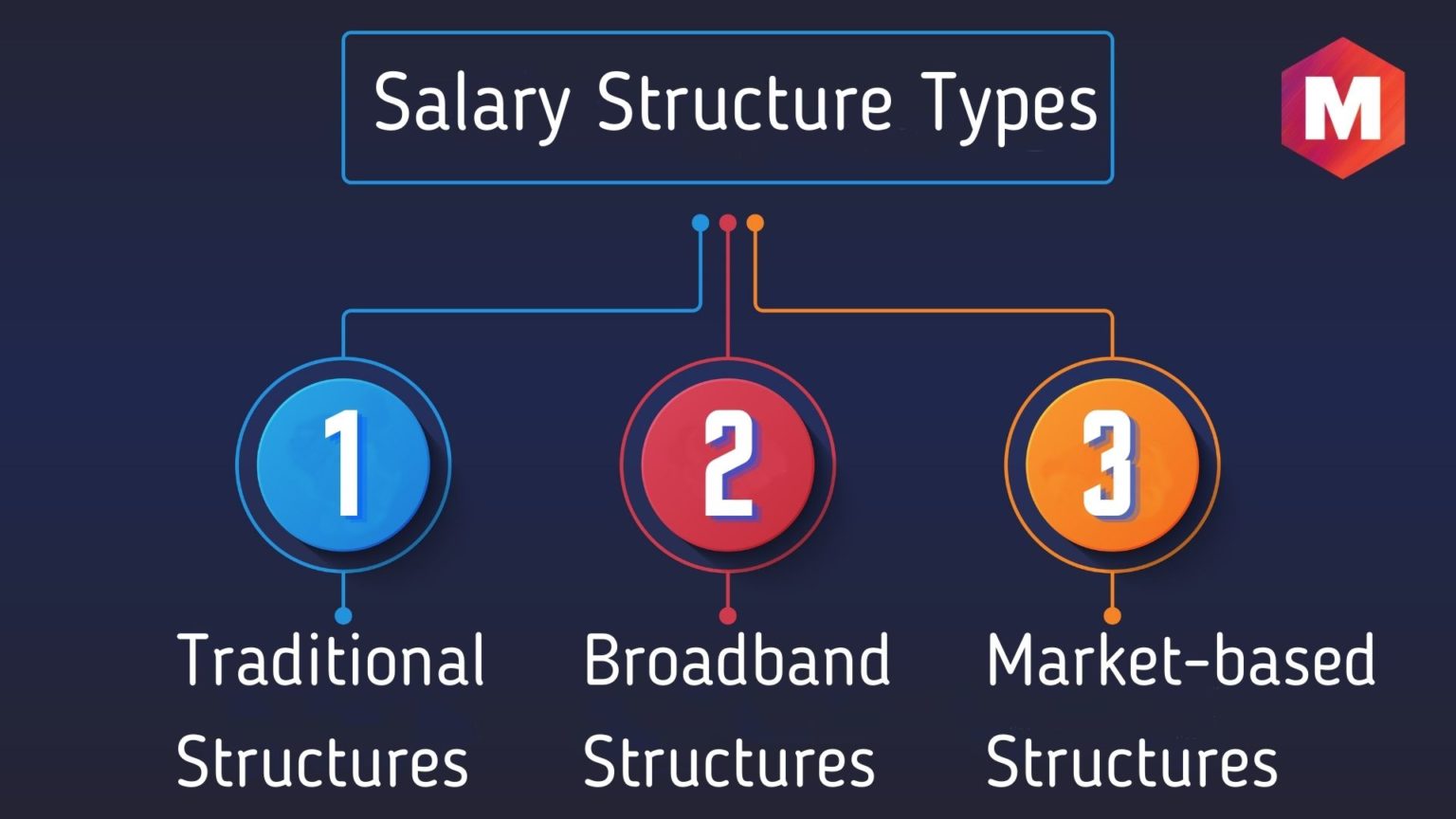
Hey there! Have you ever wondered how different salary structures impact society beyond just finance? From promoting diversity and inclusion to encouraging career exploration, varied compensation packages can have a far-reaching effect on individuals and communities. Let’s dive into the fascinating world of non-traditional salary structures and how they can shape our professional experiences and personal growth.
The Value of Benefits Beyond Salary
When considering a job offer, many people focus solely on the salary being offered. However, it’s important to remember that there are many other benefits that can add significant value to your overall compensation package. These benefits can range from health insurance and retirement plans to flexible work schedules and professional development opportunities.
Health insurance is one of the most valuable benefits that many employers offer. Having access to quality healthcare at an affordable cost can provide peace of mind for you and your family. Beyond just covering basic medical expenses, some employers also offer dental and vision insurance as part of their benefits package. This can save you money in the long run by helping to cover routine check-ups and preventative care.
Retirement plans are another valuable benefit that can have a big impact on your financial future. Employers may offer 401(k) plans with matching contributions, pensions, or other retirement savings options. By taking advantage of these benefits, you can build a nest egg for your golden years and enjoy a comfortable retirement.
Flexible work schedules are becoming increasingly popular with employers as they recognize the importance of work-life balance. Being able to work remotely, adjust your hours, or take time off when needed can help reduce stress and increase job satisfaction. This flexibility allows you to better manage your personal commitments while still meeting your work responsibilities.
Professional development opportunities are also valuable benefits that can help advance your career. Some employers offer tuition reimbursement programs, mentorship opportunities, and training workshops to help you grow and develop new skills. By investing in your professional development, you can increase your value as an employee and open up new opportunities within your organization.
Other benefits beyond salary may include paid time off, commuter benefits, wellness programs, and employee discounts. These perks can enhance your overall compensation package and improve your quality of life. Before accepting a job offer, be sure to carefully review all of the benefits being offered to determine their value to you.
In conclusion, the value of benefits beyond salary should not be overlooked when considering a job offer. Health insurance, retirement plans, flexible work schedules, professional development opportunities, and other perks can significantly enhance your overall compensation package. By taking advantage of these benefits, you can improve your financial security, work-life balance, and job satisfaction.
Using Salary as a Tool for Financial Growth
When it comes to utilizing your salary as a tool for financial growth, there are several key strategies to consider. One important aspect to consider is budgeting. Creating a realistic budget that outlines your income and expenses can help you track how much money you have coming in and how much is going out. This can help you identify areas where you may be overspending and make adjustments to save more money.
Another important strategy is saving and investing. Setting aside a portion of your salary for savings can help you build an emergency fund and work towards your financial goals. Investing your money in assets such as stocks, bonds, or real estate can also help grow your wealth over time. It’s important to research and understand different investment options to make informed decisions that align with your long-term financial goals.
Additionally, considering ways to increase your income can accelerate your financial growth. This can include seeking opportunities for career advancement or exploring side hustles or freelance work. By increasing your overall income, you can have more money to allocate towards savings and investments, ultimately helping you achieve financial security and independence.
Furthermore, managing debt is crucial for financial growth. High-interest debt, such as credit card debt, can eat away at your income and prevent you from saving and investing. Developing a plan to pay off debt, such as using the snowball or avalanche method, can help you become debt-free faster and free up more money for other financial goals.
Lastly, seeking out professional financial advice can also be beneficial. Financial advisors can provide personalized guidance on how to manage your salary effectively, create a comprehensive financial plan, and navigate complex financial decisions. They can offer insights on how to optimize your salary for growth and help you achieve your financial aspirations.
Navigating Negotiations for Salary and Beyond
When it comes to negotiating your salary, there are a few key points to keep in mind. First and foremost, do your research. Understand the industry standard for your position and experience level. This will give you a solid benchmark to base your negotiations on. Additionally, consider any additional benefits or perks that might be negotiable beyond just your base salary. Things like extra vacation days, flexible working hours, or professional development opportunities can all add value to your compensation package.
Next, prepare your pitch. Clearly outline your accomplishments, skills, and value that you bring to the company. Be prepared to make a case for why you deserve a higher salary or additional benefits. Practice your negotiation skills and be ready to confidently communicate your worth to your employer.
When it comes to actually having the conversation with your employer, timing is key. Choose a time when both you and your employer are in a positive frame of mind and ready to have a constructive conversation. Approach the negotiation with a collaborative mindset, focusing on finding a solution that works for both parties.
It’s also important to be open to compromise. While you should have a clear idea of what you want to achieve from the negotiation, be willing to listen to your employer’s perspective and consider alternative options. Remember, the goal is to reach a mutually beneficial agreement that satisfies both parties.
Lastly, remember that negotiations are not just about salary. Consider other factors that are important to you in a job, such as work-life balance, job flexibility, opportunities for growth and development, and the overall company culture. Don’t be afraid to negotiate for these benefits as well, as they can have a significant impact on your overall job satisfaction and well-being.
Balancing Lifestyle Choices with Salary
When considering a job offer, many individuals often focus solely on the salary being offered. While salary is an important factor, it’s also crucial to consider how the job will fit into your overall lifestyle. Balancing lifestyle choices with salary is essential for long-term happiness and fulfillment.
First and foremost, think about the amount of time you will be required to work in order to earn your salary. High-paying jobs often come with long hours and high levels of stress, which can take a toll on your physical and mental well-being. Consider whether the salary being offered is worth the sacrifice of your time and health. It’s important to find a balance that allows you to earn a comfortable living while also enjoying your life outside of work.
Another factor to consider is the flexibility of the job. A job with a high salary may not be worth it if it requires you to work rigid hours or if it doesn’t allow you to take time off when needed. Consider whether the job will allow you to maintain a healthy work-life balance and pursue your interests and hobbies outside of work. Having flexibility in your job can greatly enhance your overall happiness and satisfaction.
Additionally, think about the opportunities for growth and advancement within the company. A job with a high starting salary may not be the best choice if there is limited potential for future salary increases or promotions. Consider whether the job offers opportunities for professional development and advancement. It’s important to choose a job that will allow you to grow and progress in your career, as this can lead to increased job satisfaction and financial rewards in the long run.
Lastly, consider the overall benefits package being offered in addition to the salary. A job with a lower salary but excellent benefits, such as health insurance, retirement plans, and paid time off, may be more valuable in the long run than a job with a higher salary but fewer benefits. Take into account the total compensation package being offered, including both salary and benefits, when evaluating a job offer. It’s important to choose a job that not only offers a competitive salary but also provides valuable benefits that can improve your quality of life.
In conclusion, balancing lifestyle choices with salary is essential for long-term happiness and fulfillment. When evaluating a job offer, consider factors such as the amount of time required to work, the flexibility of the job, opportunities for growth and advancement, and the overall benefits package being offered. By finding a job that aligns with your values and priorities, you can achieve a sense of balance and fulfillment in both your personal and professional life.
Investing in Skills and Network for Long-term Career Growth
When it comes to advancing your career beyond just receiving a regular paycheck, investing in your skills and building a strong professional network play a crucial role in achieving long-term success. In today’s fast-paced and ever-changing job market, being proactive about enhancing your skills and expanding your connections can set you apart from the competition and open up new opportunities for growth.
One of the most effective ways to invest in your long-term career growth is by continuously upgrading and expanding your skill set. This can involve taking on new projects that expose you to different areas of your industry, enrolling in relevant courses or certifications, or seeking out mentorship opportunities with more experienced professionals. By staying ahead of the curve and constantly challenging yourself to learn and improve, you can position yourself as a valuable asset within your organization and remain competitive in the job market.
Additionally, building a strong professional network can provide you with a wealth of resources and support that can benefit your career in the long run. Networking is not just about making connections for immediate gain; it’s about cultivating mutually beneficial relationships that can offer guidance, opportunities, and insights that help you navigate your career path successfully. Attending industry events, joining professional organizations, and actively engaging with colleagues and mentors are all ways to expand your network and increase your visibility within your field.
Furthermore, investing in your skills and network can also lead to increased job satisfaction and fulfillment in your career. By continuously striving to improve yourself and connect with like-minded professionals, you are more likely to find meaning and purpose in your work, which can translate into higher levels of motivation and engagement. Whether it’s through taking on new challenges, learning from seasoned professionals, or collaborating with peers on innovative projects, investing in your long-term career growth can help you create a fulfilling and rewarding career trajectory.
In conclusion, beyond finance salary, investing in your skills and network for long-term career growth is essential for staying relevant, competitive, and fulfilled in today’s ever-evolving job market. By making a commitment to continuously improve yourself, expand your connections, and seek out opportunities for growth, you can position yourself for success and open up a world of possibilities for your professional development. So take the time to invest in yourself and your future, and watch as your career prospects soar to new heights.
Originally posted 2025-01-29 11:19:00.